
African & World Cuts
World Foods Shop
African, Caribbean and world cuts — goat, oxtail, offal, boerewors and more, delivered fresh across Essex, south Suffolk and east Hertfordshire.
Larger order? We can expand our delivery area to accommodate you — give us a call or drop us a message to discuss.
Cook Tonight
Feast Boxes
Everything you need for one dish — the right cuts, the right quantities, hand-packed and delivered fresh.
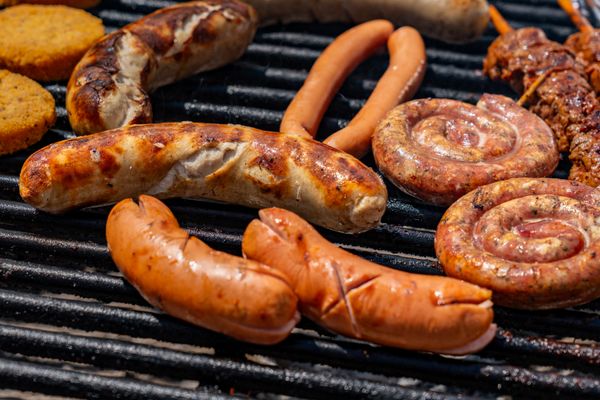 Bundle
The Braai Box
- 1.5kg Boerewors
- 8 Phil's Famous Burgers (4oz)
- 1kg Pork Ribs
- 1kg Chicken Wings
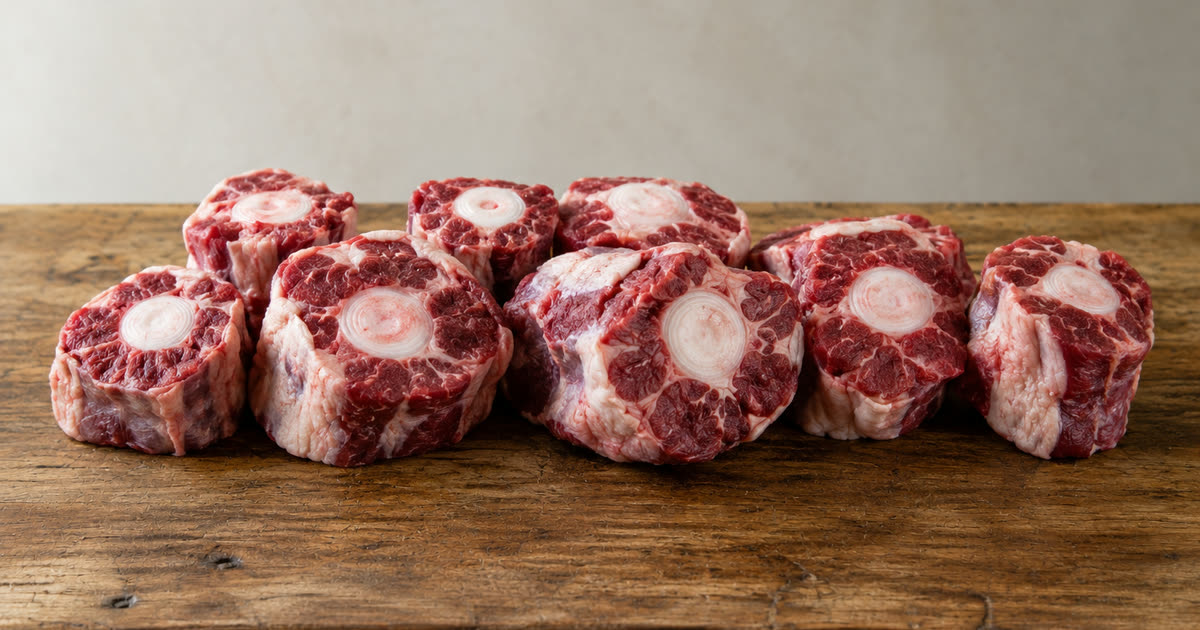 Bundle
The Pepper Soup Box
- 1 whole Ox Tail (approx 1.5kg)
- 1 bag Cowfoot
- 5kg Tripe
- 1kg Ox Liver
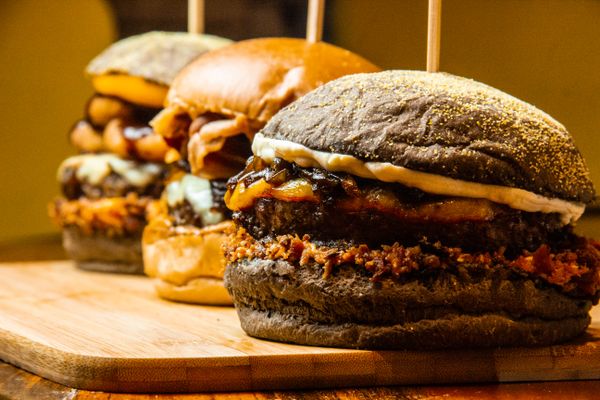 Bundle
The Family Grill Box
- 8 Phil's Famous Burgers (6oz)
- 1.5kg Boerewors
- 1kg Chicken Legs
- 1kg Pork Chops
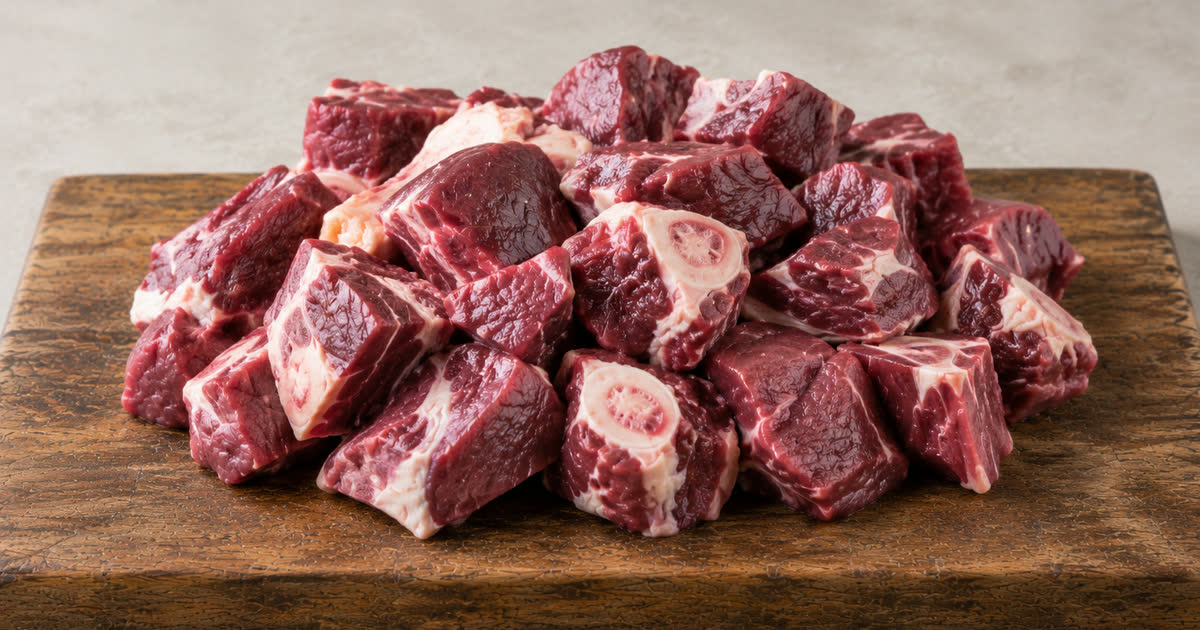 Bundle
The Sunday Pot Box
- 2kg Goat Stew
- 2kg Stew (Bone-In)
- 1kg Chicken Legs
Rib Eye Beef
Phil's Famous Burgers
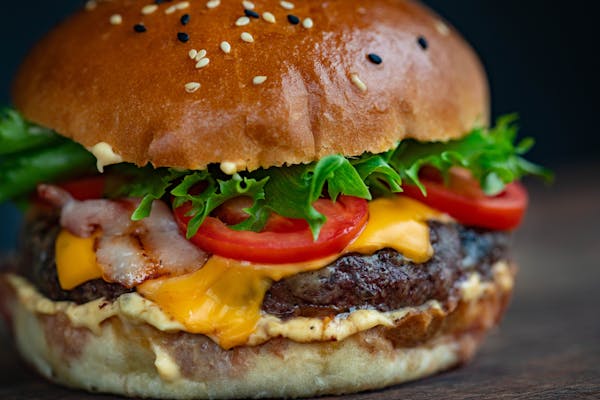
Phil's Famous Rib Eye Burgers (4oz)
Made with rib eye beef, so there is enough marbling running through the mix to keep the patty juicy rather than dry. The 4oz size is the everyday one — it cooks through quickly on a griddle or barbecue and sits properly inside a standard bap without overhanging. Good for feeding a crowd, and the size children will actually finish.
per pack
Phil's Famous Rib Eye Burgers (6oz)
The same rib eye mix as the 4oz, pressed into a thicker patty that holds a pink middle while the outside takes on a proper crust. This is the one for a brioche bun and a serious stack of toppings. Give it a hot pan or a settled barbecue and leave it alone until it releases cleanly — turning it early costs you the crust.
per pack
Slow Cook
Beef
Boerewors 1.5kg
A South African-style coarse sausage of beef and pork seasoned with warm spices such as coriander, coiled for the grill rather than linked. Rich and savoury, and made for the braai. Cook it as one coil over a moderate heat and turn it whole so it does not split. Supplied as a 1.5kg pack, plain or with chilli, garlic or chakalaka mixed through.
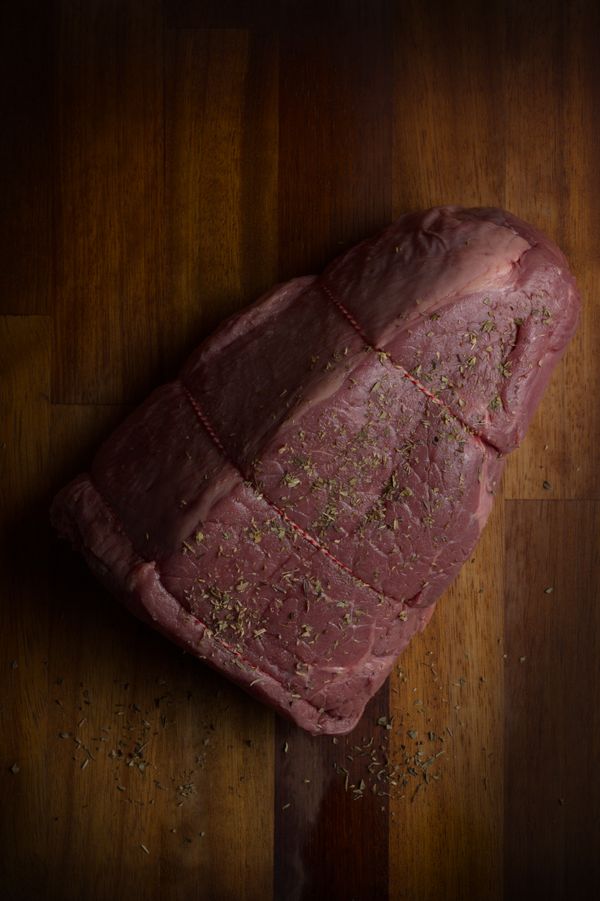
Brisket
The breast of the animal — a hard-working muscle laced with fat and connective tissue that needs hours, not minutes. Give it a long slow cook and that tissue turns to gelatine and the meat pulls apart. The cut behind barbecue brisket, salt beef and a proper pot roast. Take it rolled if you would rather carve neat slices.
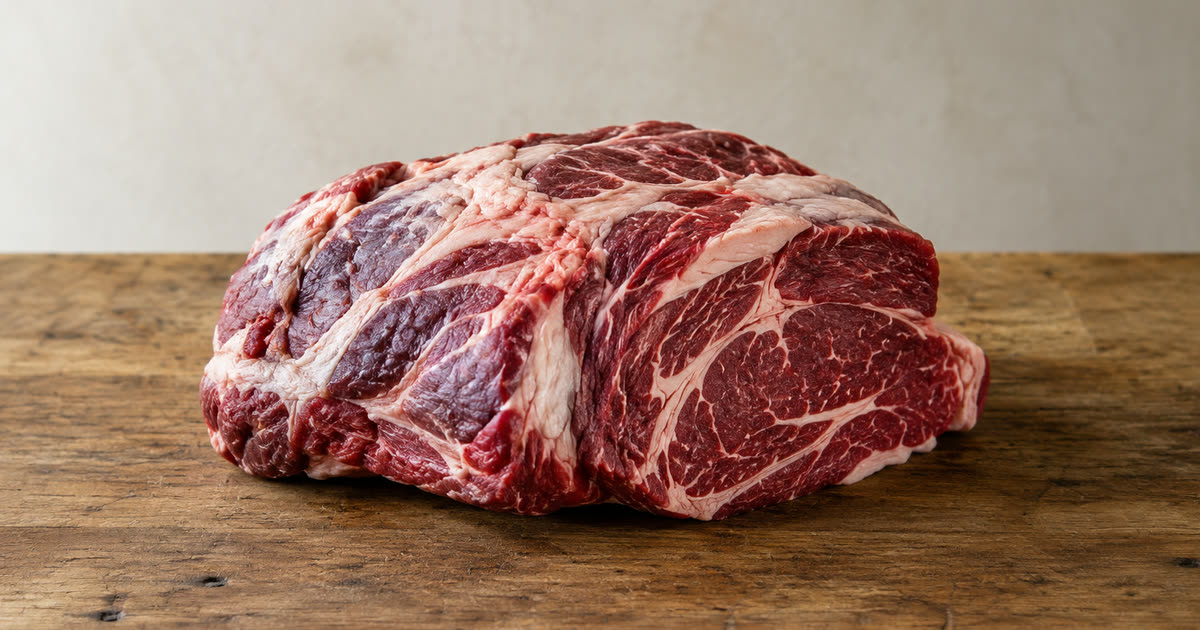
Chuck
Shoulder meat, and the best-balanced stewing cut on the animal — enough fat and connective tissue to stay moist through a long braise, and more flavour than the leaner leg cuts. Cut it into large pieces, brown them hard in batches, then leave it two to three hours at a bare simmer until it gives way to a spoon.
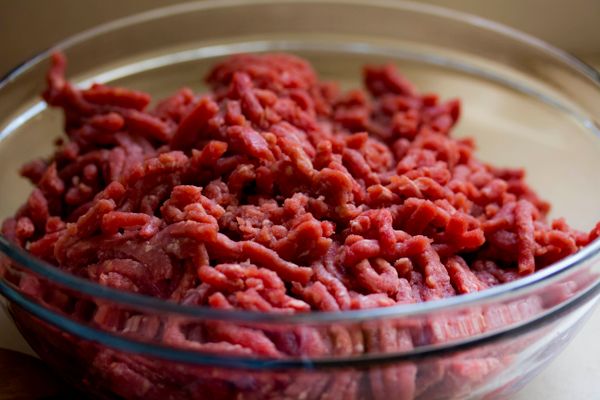
Mince
Freshly minced beef for everyday cooking — bolognese, cottage pie, chilli, meatballs and burgers. Enough fat through it to brown properly and stay succulent rather than going dry and grey. Get the pan hot and cook it in batches: crowd it and it steams in its own liquid instead of colouring, which is where the flavour comes from.
Ox Tail
Cut across the tail into thick rounds, each with a core of bone and marrow surrounded by meat and collagen. Nothing else gives a stew the same body — three hours or more and the liquid sets to a jelly as it cools. Central to oxtail stew, pepper soup and Caribbean brown stew. Brown the pieces first and skim the fat before serving.
Roughly 1.5kg each · £12.99/kg
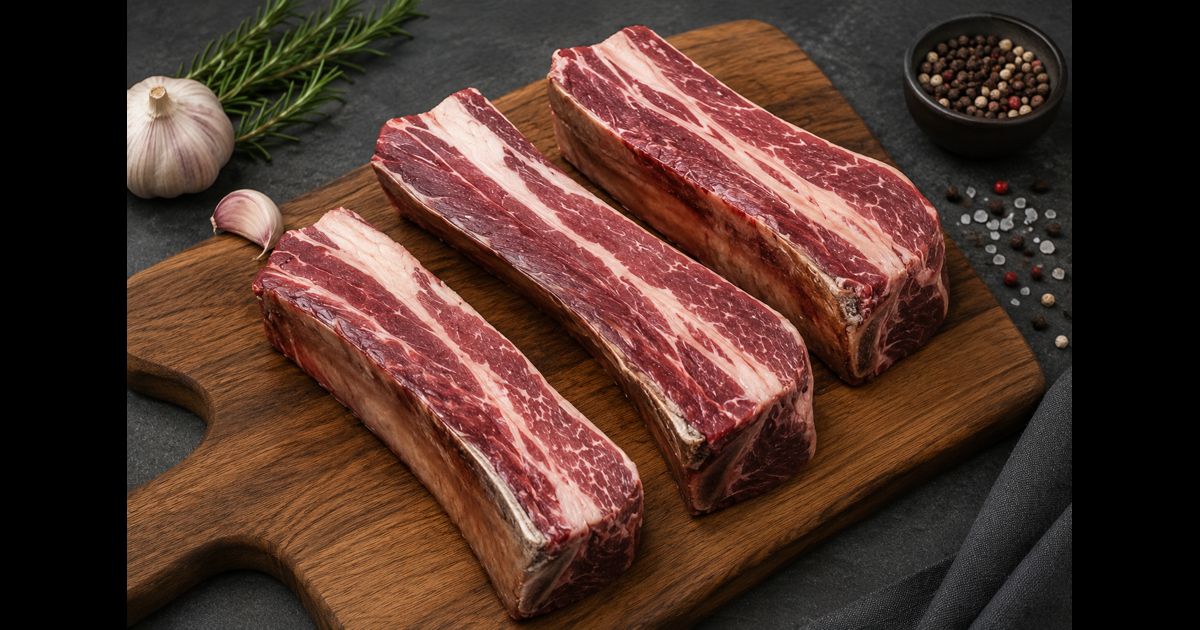
Short Ribs
Thick sections of rib cut from the plate, heavily marbled with a generous bone through each piece. Slow cooking is the point — braised for three hours they go completely tender while the bone and fat build a sauce with real depth. Equally good rubbed and cooked low on a barbecue. Skim the fat before you serve.
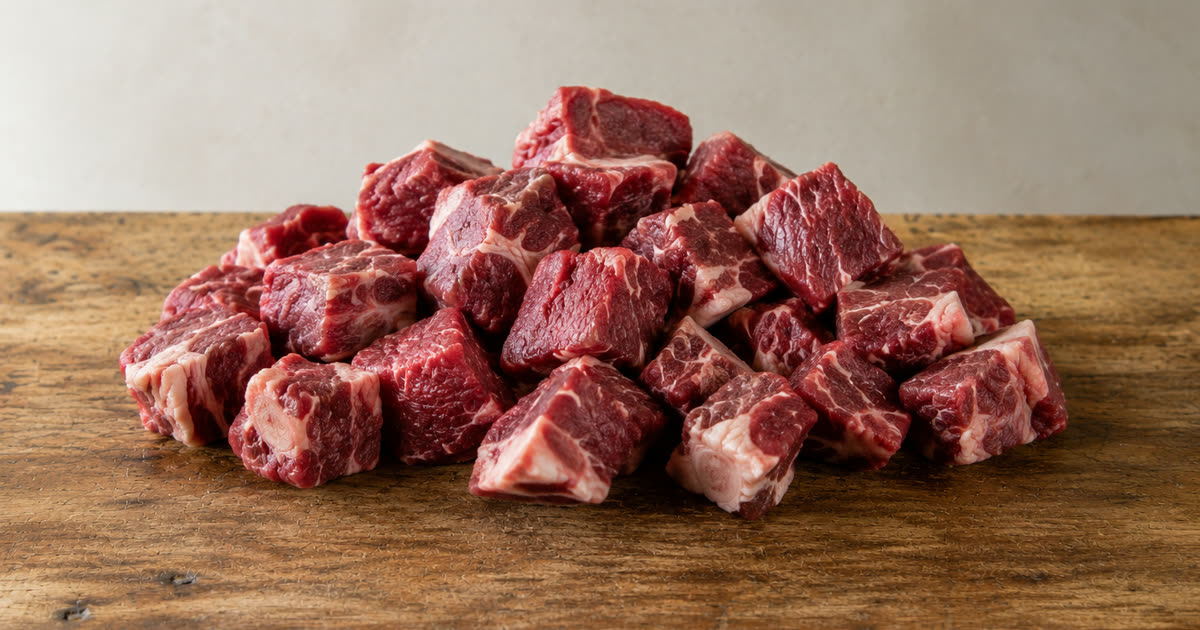
Stew (Bone-In)
Bone-in diced beef from the harder-working muscles, ready for the pot. The bone is the point: it gives up marrow and gelatine over a long cook, so the liquid finishes with a body you cannot get from boneless stewing steak. Built for time rather than heat — two to three hours at a low simmer. Brown it in batches, and keep the pot at a tremble rather than a rolling boil.
Sold on the bone
Nose to Tail
Offal
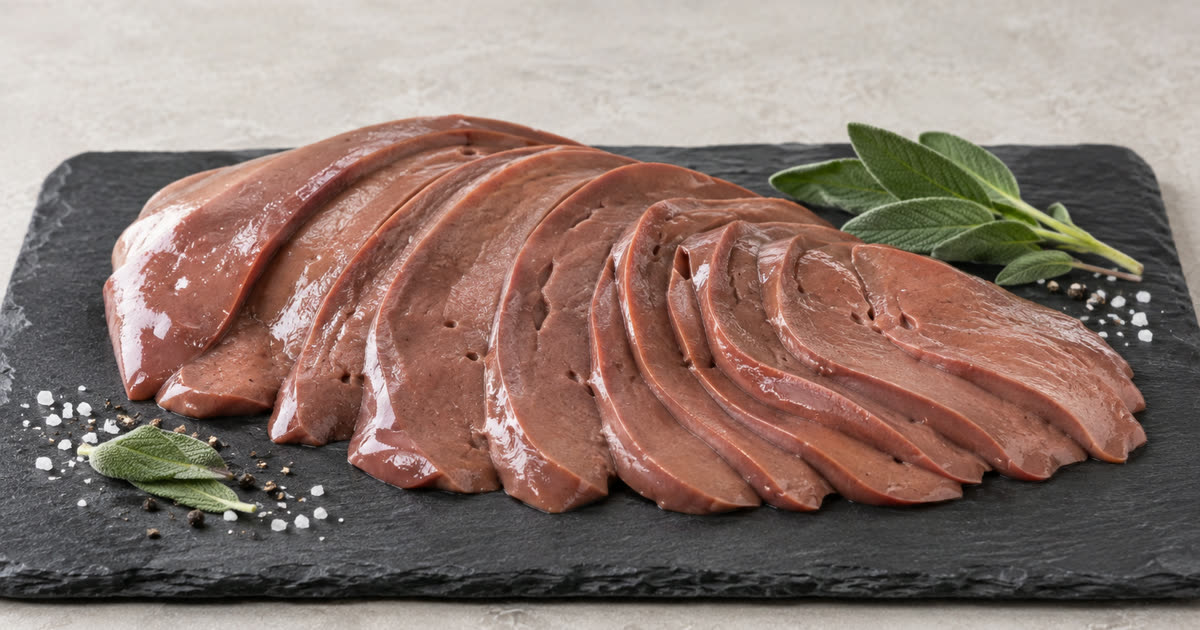
Calves Liver
The finest liver there is — paler, finer-grained and far milder than ox liver, which is why it carries the price it does. Slice it thinly, season it, and give it barely a minute a side in a very hot pan so the middle stays blushing. Classically served with sage and butter, or with bacon and onions.
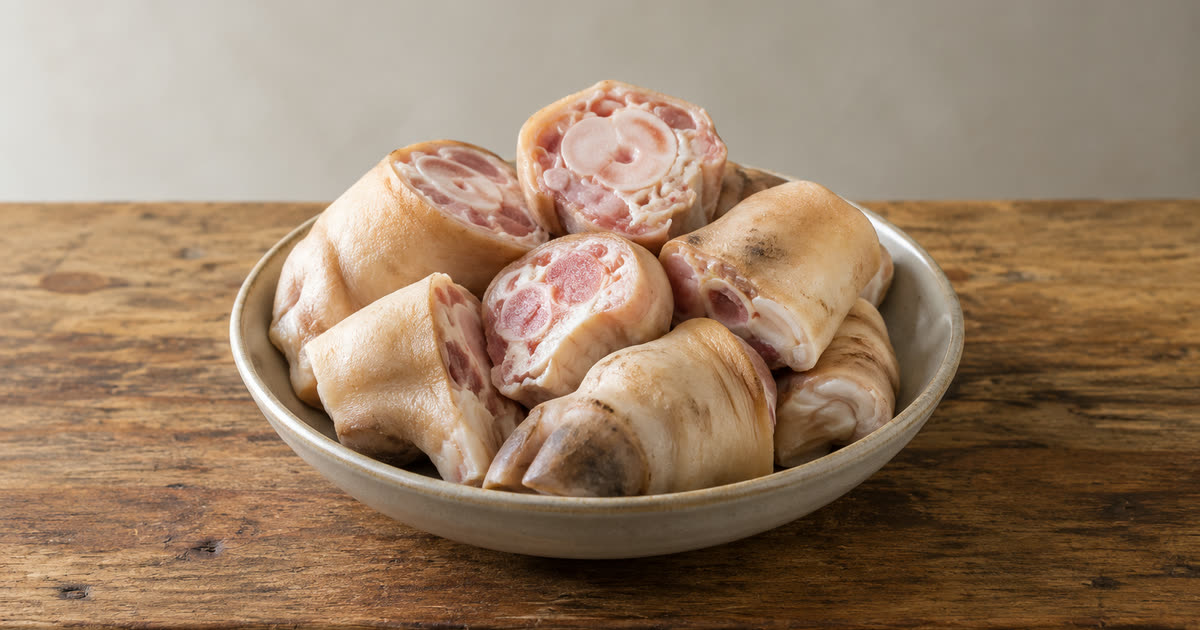
Cowfoot
Sectioned cow foot, sold by the bag. Almost entirely skin, bone and connective tissue, so it is cooked for hours rather than minutes and gives back a broth that sets solid as it cools. The backbone of Jamaican cow foot stew and West African pepper soup. Scald and scrub it first, then simmer until the pieces are sticky and giving.
Sold by the bag
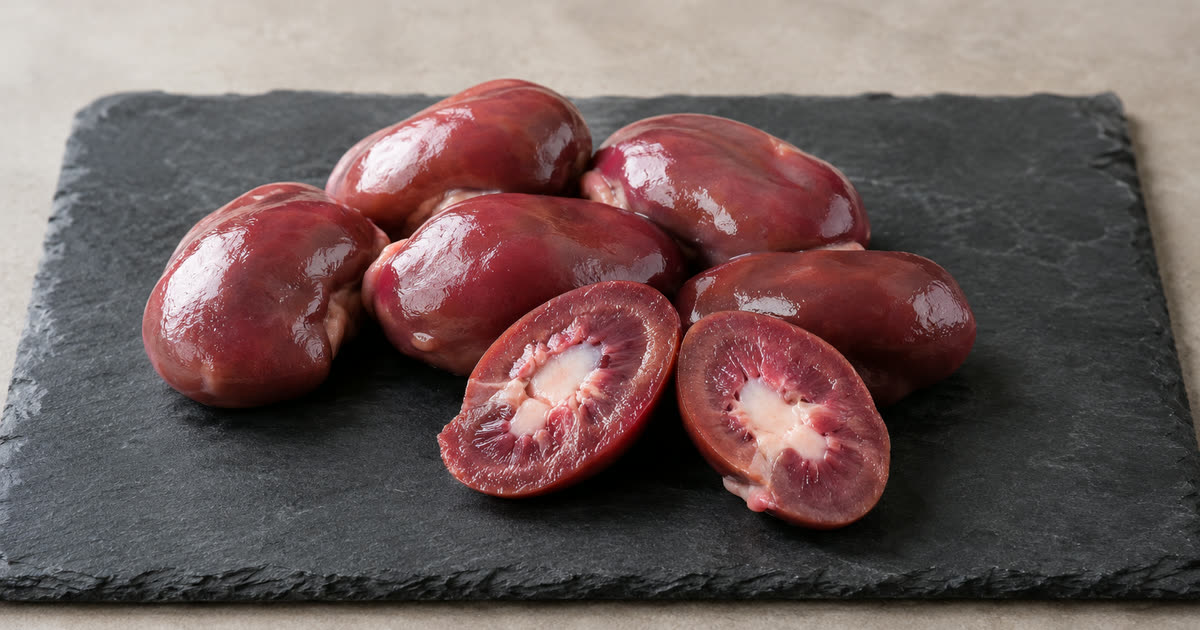
Lamb Kidneys
Small, firm and much milder than ox kidney, which makes them the ones to grill rather than stew. Halve them, snip out the white core, and cook them fast in a hot pan or over coals until just pink — a couple of minutes is plenty. Traditional on a mixed grill and in devilled kidneys on toast.
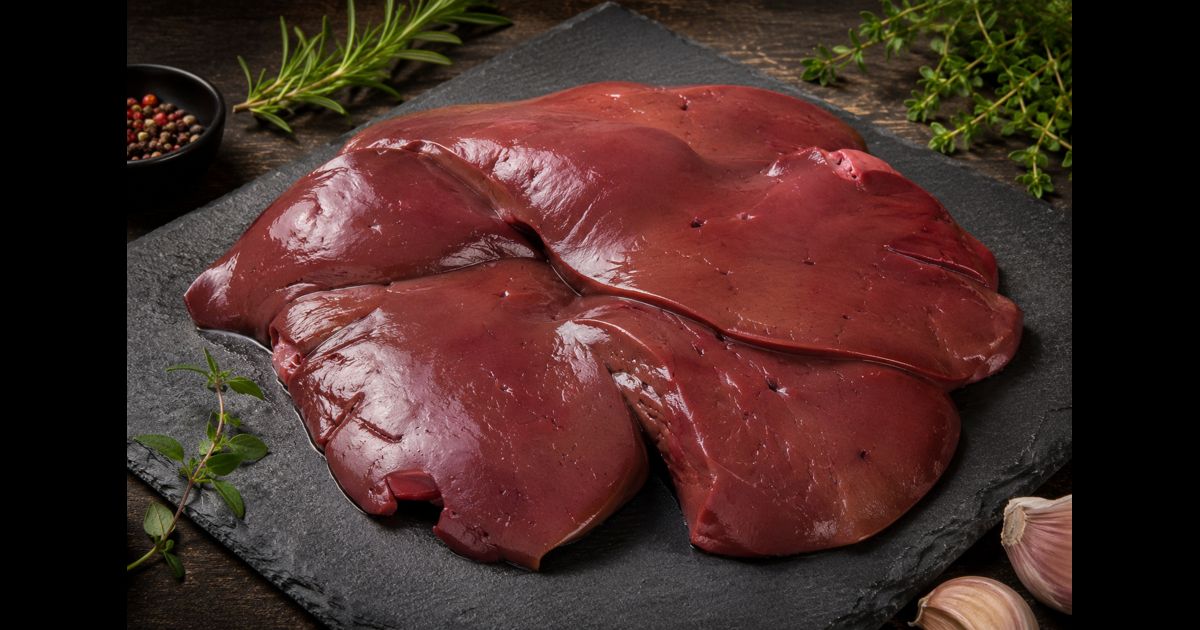
Lamb Liver
Milder and more delicate than ox liver, which makes it the one to cook if you think you dislike offal. Slice it thinly, flour it, and give it a minute or two a side in a hot pan with bacon and onions — still faintly pink inside. Overcook it and it turns to leather.
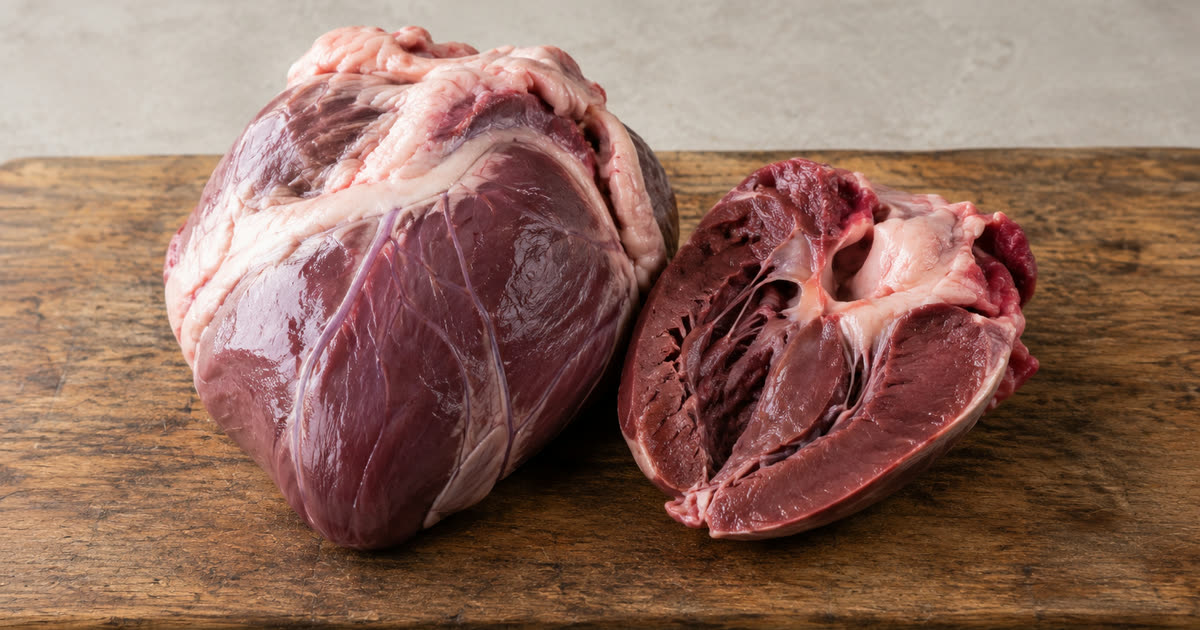
Ox Heart
Solid, lean, dark muscle with almost no fat running through it — closer to a steak than to any other offal, and nothing like as strong-tasting as people expect. Trim the sinew and the tubes at the top, then either slice it thinly and cook it fast and pink, or dice it and stew it slowly. Anywhere in between goes tough.
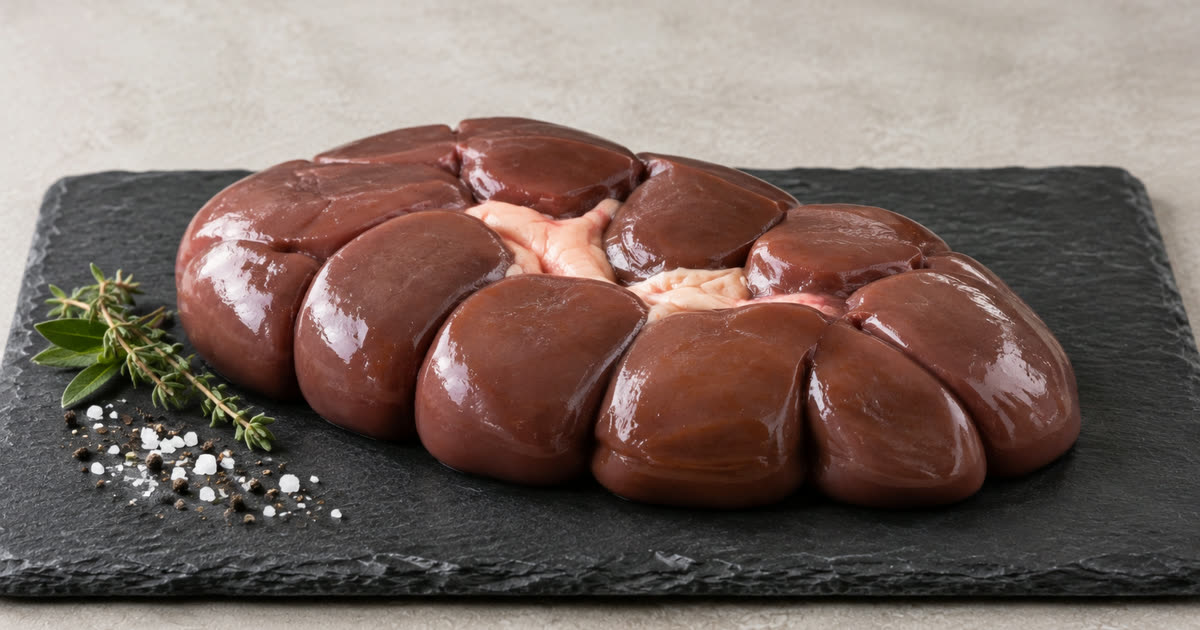
Ox Kidney
Much bigger and far stronger in flavour than lamb kidney, and built for the pot rather than the pan. Trim out the white core, soak it if you want the taste tamed, then let it cook down slowly with beef — steak and kidney pudding and pie exist because of what it does to the gravy. A little goes a long way.
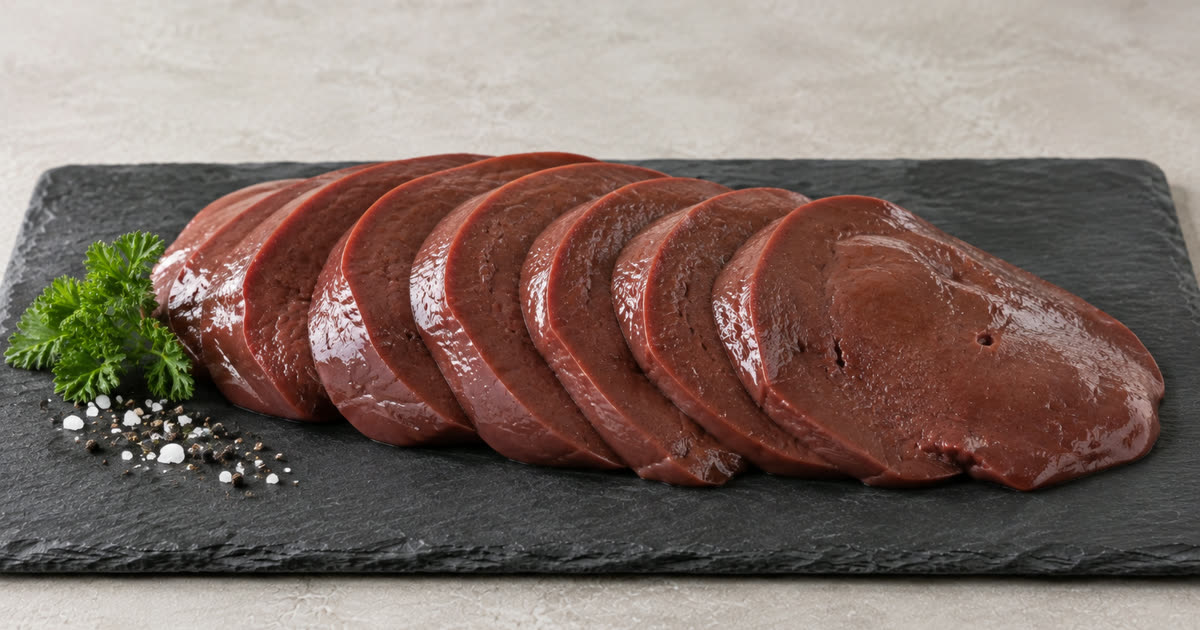
Ox Liver
Deep red, firm and the strongest-tasting of the livers, which is exactly what some dishes want. Slice it thinly and cook it hot and brief with onions, or dice it into a slow stew where its flavour has somewhere to go. Soaking it in milk beforehand softens the edge if you find it too iron-heavy on its own.

Ox Lungs
Light, open-textured and very lean, sold whole. It is always boiled or stewed rather than fried — a long simmer with onion, chilli and tomato is the usual treatment, and it soaks up a sauce better than almost anything else on the offal counter. Widely used across African and Caribbean cooking, and excellent value.
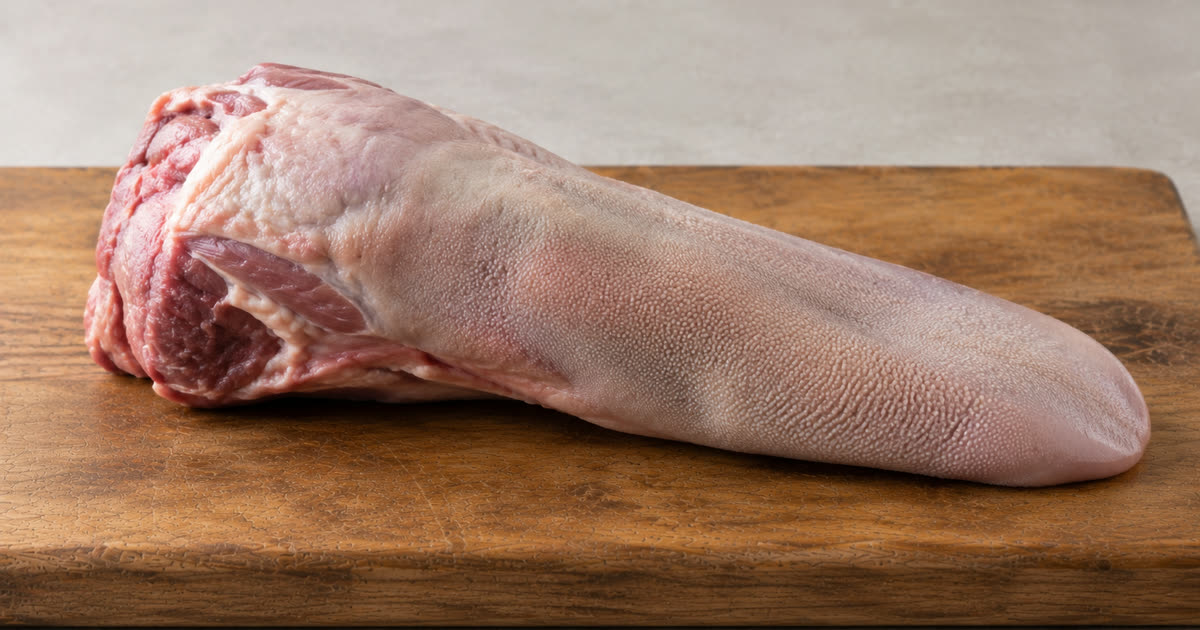
Ox Tongue
A whole tongue — dense, entirely lean and one of the great slow-cooked cuts. Simmer it for three hours or so with aromatics, peel the skin off while it is still hot, then press it and chill it to slice cold for sandwiches, or serve it warm in a parsley or mustard sauce. One tongue goes a very long way.
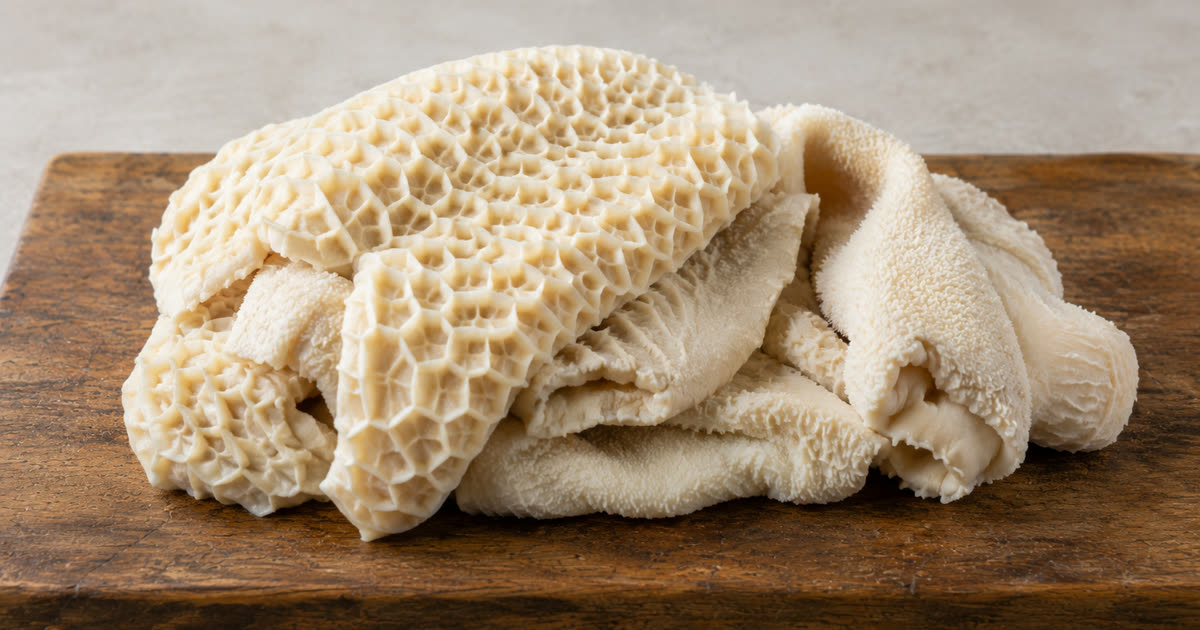
Tripe
Cleaned stomach lining, sold ready to cook. It needs long, gentle cooking — an hour and a half at least — before it softens and starts taking on flavour, and it takes on a great deal. Stewed with onions and milk in the old English way, or with tomato, chilli and cumin for menudo and tripe stews. Remarkable value.
Sold in 5kg bags
Traditional
Goat
Goat Stew
Bone-in diced goat for the pot — leaner than lamb and with a cleaner, less fatty flavour, which is why it carries strong spicing so well. It wants two hours or more of slow cooking before it softens. The cut behind curry goat, goat pepper soup and birria. Keep the bones in: they are where the body of the sauce comes from.
Fresh Cut
Pork
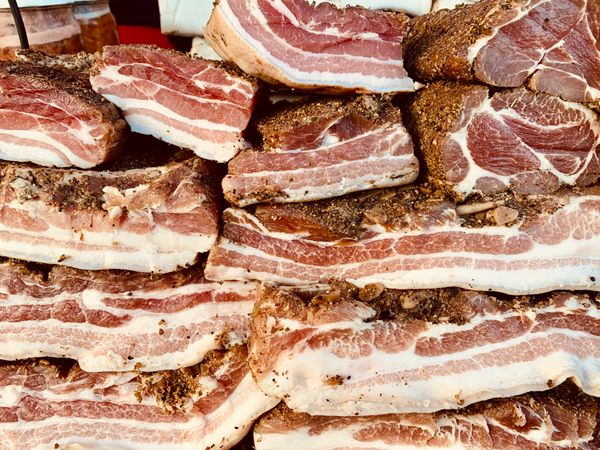
Belly
Layers of meat and fat in alternating bands — the cut that gives you crackling on top and meat that pulls apart underneath. Slow-roast it uncovered so the fat renders and the skin blisters, or slice it into strips for the grill. Dry the skin thoroughly and salt it before it goes in; wet skin will never crisp.
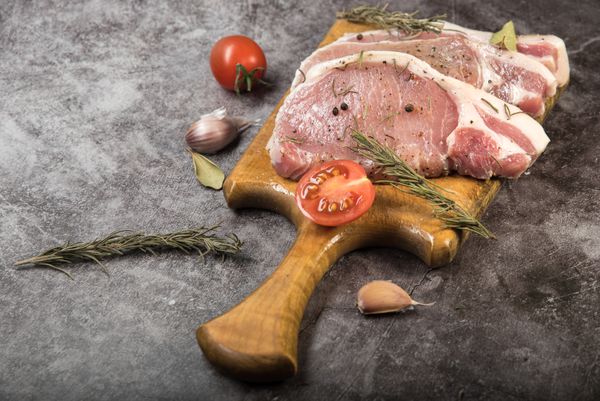
Chops
Bone-in chops cut across the loin, with a rim of fat down one edge. Lean enough to dry out if you walk away from them, so cook them hot and take them off while there is still a trace of pink. Render the fat edge first by standing the chops on it in the pan, then colour both sides and rest them properly.
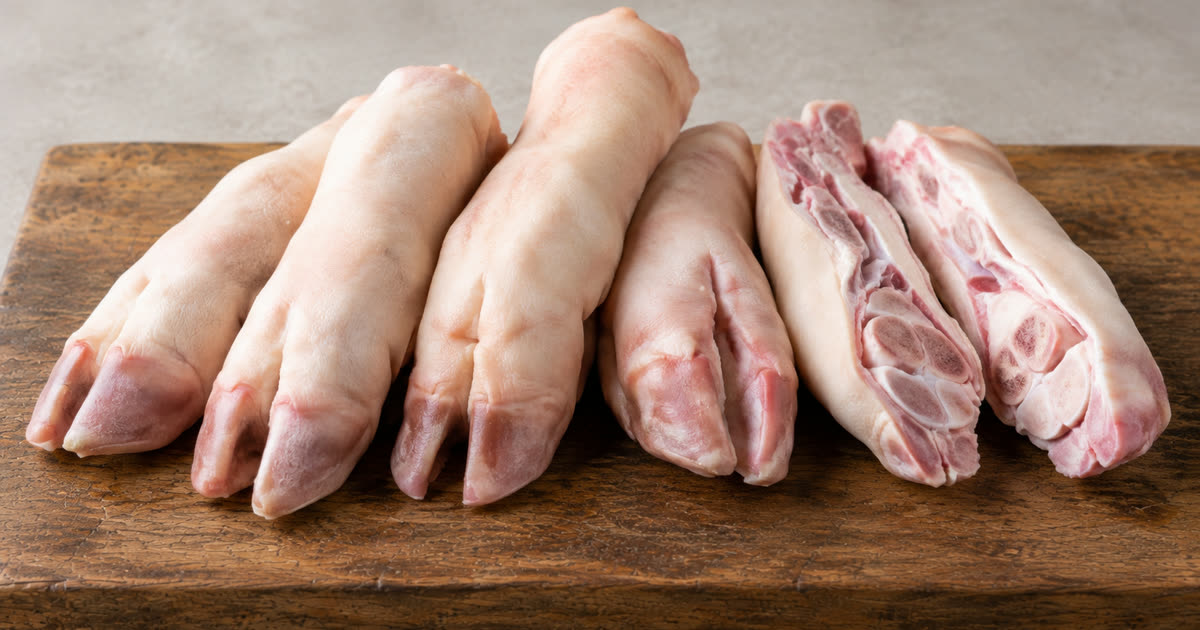
Trotters
Skin, bone and connective tissue almost all the way through, and the cheapest source of gelatine in the shop. Split or whole, they turn a stock or a stew unctuous in a way nothing else does. Simmer them for three hours, or drop one into a pot of beans or a braise and let it do its work in the background.
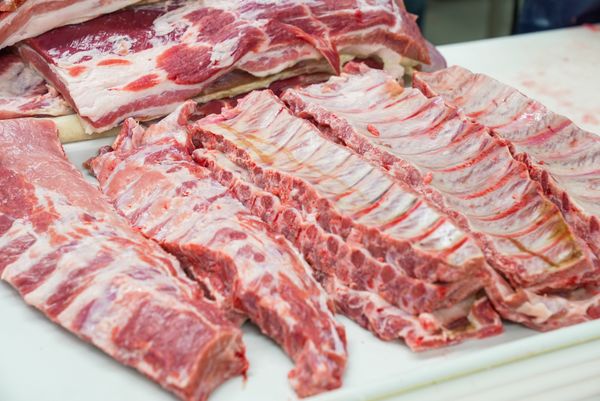
Ribs
Racks of pork rib, meaty between the bones and made for a long, low cook. Pull the membrane off the underside first — leave it on and no rub or sauce gets through. Two to three hours covered at a low heat, then finish them uncovered with a glaze so the sauce sets rather than burns. Barbecue, oven or grill.
Farm Fresh
Chicken
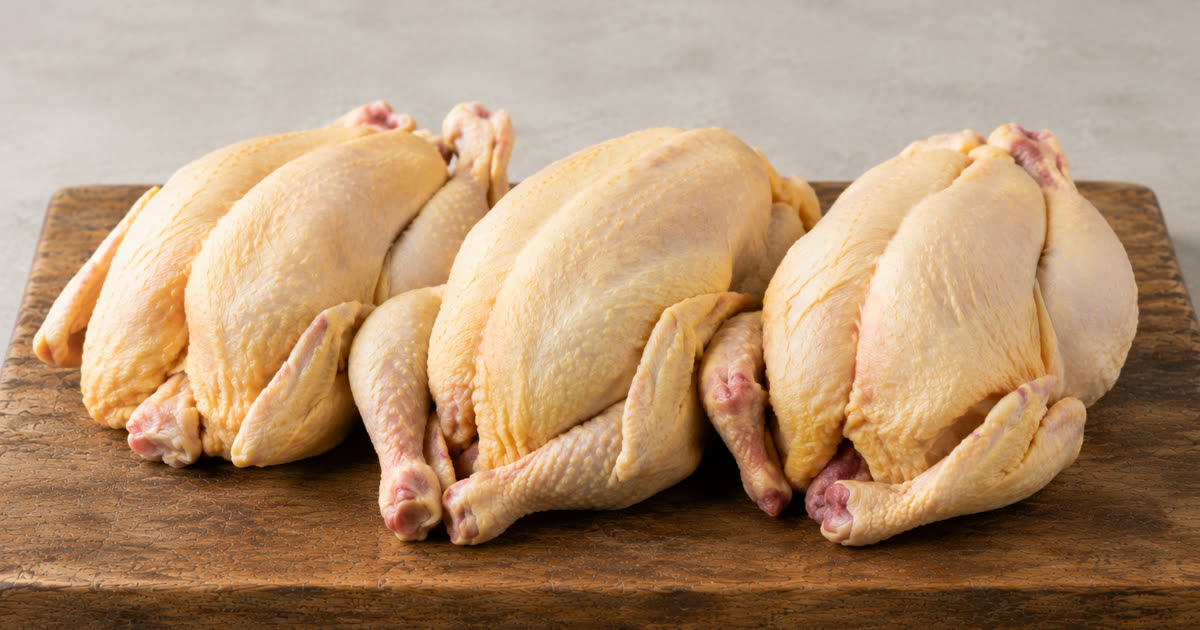
Hard Chicken
Mature laying birds — firmer, leaner and far more flavoured than a young roasting chicken, and completely wrong for a quick roast. They are boiled or stewed for an hour and a half or more until the meat gives, and they make the best chicken stock you will ever taste. Essential to West African and Caribbean chicken stews.
£6.00 per bird
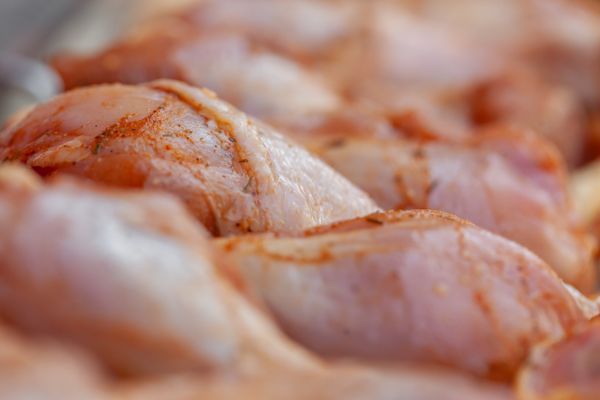
Chicken Legs
Whole legs — thigh and drumstick still joined, skin on and bone in. Dark meat, so they stay moist long after breast would have dried out, and the bone keeps them succulent through a long roast or a stew. Score them to the bone if you are marinating, and start them skin-down to render the fat before they go in the oven.
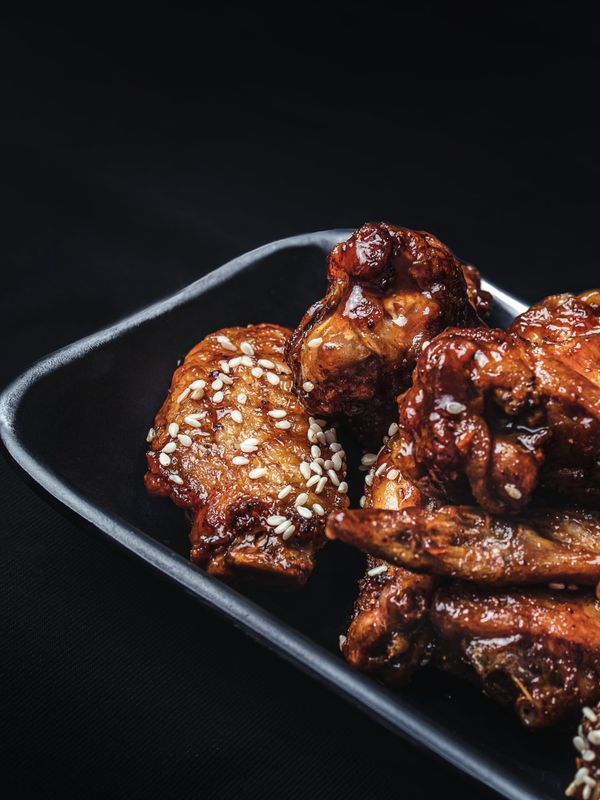
Chicken Wings
Whole wings, ready to separate into drumettes and flats or cook as they come. High in skin and collagen, which is exactly why they crisp so well — dry them thoroughly, dust lightly with cornflour and give them a hot oven or an air fryer before any sauce goes near them. Sauce first and you steam them instead.
Grass Fed
Lamb
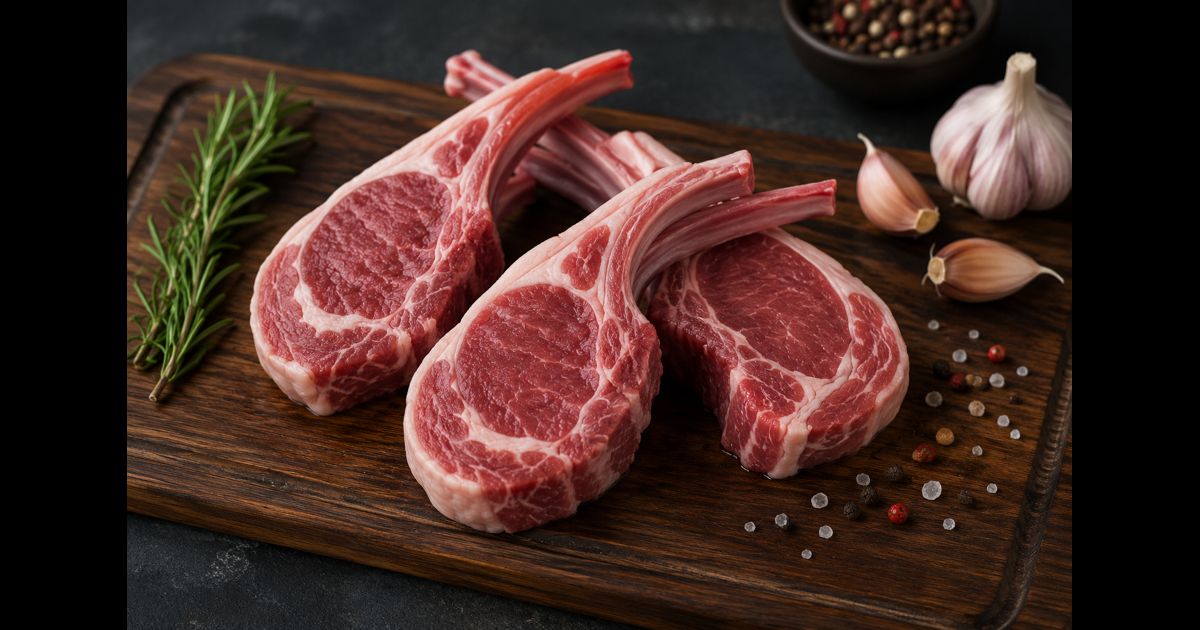
Chops
Small bone-in chops cut across the loin, each with a tail of belly wrapped round it and a T-shaped bone through the middle. Tender, quick and neat enough to eat two or three at a sitting. Grill or griddle them hard and fast — four or five minutes in total is usually right, and the fat should be crisp before they come off.
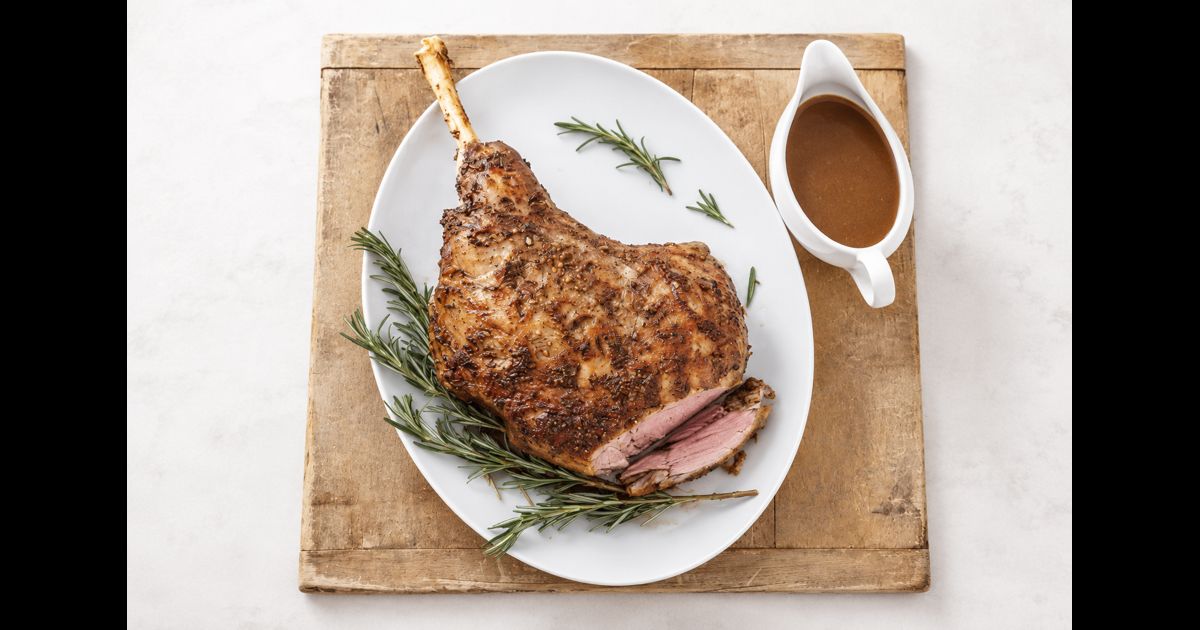
Leg
A whole bone-in leg — the Sunday and Easter centrepiece, and the joint most people picture when they think of roast lamb. Leaner than shoulder, so it is happiest pink in the middle rather than cooked to collapse. Stud it with garlic and rosemary through slits in the fat, and carve in long slices parallel to the bone.
After something you can't see?
This is the board list we cut week to week. If you want a cut, a size or a preparation you cannot see here, message us and we will tell you what we can get and what it costs.
Message Us to Enquire